Chapel Hill, NC · Orange County
Water-Damaged Flooring Removal in Chapel Hill, NCWet Carpet Removal & Laminate Flooring Removal
Water-Damaged Flooring Removal in Chapel Hill includes wet carpet removal, hardwood floor water damage and subfloor drying services.
Answered 24/7
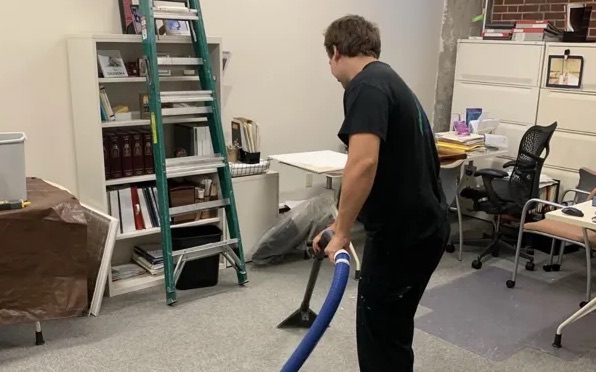
Water-Damaged Flooring Removal Services for Chapel Hill Residents
When flooring in Chapel Hill is too soaked or contaminated to save, it must come out. Removing it keeps bacteria and odors from spreading and lets the structure dry.
When a flood affects a home in Chapel Hill, extraction is key to saving the subfloor. Local pros handle everything from emergency flooring removal to the final moisture check for homes across the region.
Water-Damaged Flooring Removal Methods Used in Chapel Hill
Wet Carpet Removal
After a plumbing failure, pros extract water and cut out soaked carpet and pad so the subfloor can dry.
Laminate Flooring Removal
Laminate absorbs water at its edges and core, so swollen planks are removed before subfloor drying.
Floor Moisture Inspection
Pros scan the floor to show which materials must be removed and which can be saved.
Emergency Floor Water Extraction
In Chapel Hill, pros extract water first to keep it from moving under walls or into other rooms.
Hardwood Floor Water Damage
Moisture meters map the damage, and boards that are too swollen or stained are removed carefully.
When to Consider Water-Damaged Flooring Removal for Your Floors
Vinyl Flooring Seam Separation
Seams pulling apart in vinyl plank or sheet flooring show moisture has weakened it.
Laminate Flooring Edge Swelling
Swollen laminate edges are a clear sign the planks have absorbed water.
Soft or Spongy Floor Sections
Soft or spongy spots underfoot point to water damage in the subfloor below the finish.
Warping or Cupping Hardwood
Wood planks that curl at the edges or buckle in the middle have water trapped underneath them.
How Water-Damaged Flooring Removal Works in Chapel Hill
Step 1: Floor Moisture Inspection
Meters map moisture in floors, walls and subfloors to define exactly what must be removed.
Step 2: Waterlogged Floor Removal
Ruined carpet, pad, tile or planks are cut out and removed from the water-damaged area.
Step 3: Structural Drying Procedures
Air movers and dehumidifiers work together to dry the subfloor and framing thoroughly.
Step 4: Final Verification and Cleanup
Readings confirm the area is dry, and debris is cleared for the next construction step.
Sources That Lead to Water-Damaged Flooring Removal
Fire Suppression System Activation
An accidental sprinkler discharge releases a large amount of water onto floors quickly.
Pet Accidents and Spills
Repeated pet accidents or large spills that are not dried can soak into flooring seams.
Sump Pump Failure in Basements
A failed or overwhelmed sump pump lets basement water rise and soak flooring.
HVAC Condensate Drain Clogs
A clogged AC drain line can overflow and drip onto floors for weeks unnoticed.
Residential and Commercial Water-Damaged Flooring Removal in Chapel Hill
Residential Water-Damaged Flooring Removal
Homeowners need soaked carpet and pad removed and moisture under tile or vinyl checked to protect the home's value.
Commercial Water-Damaged Flooring Removal
Hotel corridors and leased offices often need laminate removed, with pros coordinating access and timing with the property managers.
Water-Damaged Flooring Removal vs. DIY: When to Call Flooring Restoration Experts
After a clean water toilet overflow, mop the tile with a disinfectant cleaner once the toilet is fixed. If water got under the toilet base or into nearby rooms, have the floor checked for moisture.
Cost Considerations for Water-Damaged Flooring Removal in Chapel Hill
Hard-to-reach areas and difficult materials like glued tile or parquet take longer to remove and cost more as a result.
Affected Square Footage
Larger wet areas need more labor time, hauling and disposal for the job.
Post-Removal Services
Final moisture checks and site preparation for new flooring add to the total.
Contamination Level
Floodwater with sewage or chemicals requires extra safety steps during the extraction.
Does Insurance Cover Water-Damaged Flooring Removal?
For laminate removal or subfloor drying, give your insurer the moisture readings and damage scope from the flooring restoration experts. Coverage depends on your policy terms.
Benefits of Hiring Local Experts in Chapel Hill for Water-Damaged Flooring Removal
24/7 Emergency Response
Quick action limits further damage and keeps more flooring from needing removal.
Containment and Safety
Containment controls dust and debris during removal, protecting clean rooms in the house.
Advanced Moisture Detection
Moisture meters find wetness under materials and behind walls that a visual check misses.
Round-the-Clock Water-Damaged Flooring Removal in Chapel Hill
After a burst pipe or flood, call the pros at (919) 525-3233 for flooring removal and drying. Early work limits damage to the structure.
Call Now (919) 525-3233Common Water-Damaged Flooring Removal Questions Answered
Is wet carpet removal a DIY job?
It is not recommended, since removal can spread contamination and miss hidden moisture underneath.
Why is a floor moisture inspection critical?
Meters find hidden moisture that can warp materials or cause odors after the flooring is removed.
What follows emergency floor water extraction?
Pros decide which flooring must come out, then set up drying equipment for the structure underneath.
What is involved in water-damaged flooring removal?
Emergency water extraction, careful removal of ruined flooring and a thorough moisture check of the floor.
How quickly should wet carpet removal begin?
As soon as possible, ideally within hours, before stains, odors and subfloor damage set in.