Chapel Hill, NC · Orange County
Structural Drying Services in Chapel Hill, NCWet Drywall Removal & Emergency Burst Pipe Cleanup
Structural Drying Services in Chapel Hill cover flooded room drying, ceiling water damage cleanup, and wall cavity drying.
Answered 24/7
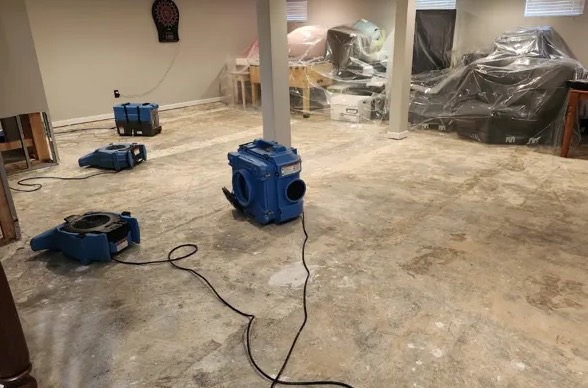
Structural Drying Services for Chapel Hill Residents
In Chapel Hill, whether from a small leak or a flood, a building is not fixed until it is dry. Pros dry it back to a safe, stable condition.
In Chapel Hill and nearby Carrboro, Durham and Hillsborough, drying keeps damage and repair costs down. Water extraction experts dry everything from ceilings to floor systems.
Available Structural Drying Services in Chapel Hill, NC
Wet Drywall Removal
Moisture meters show which drywall is too wet to save. Pros cut out only those sections, which also opens the wall so drying equipment can reach inside.
Emergency Burst Pipe Cleanup
Emergency burst pipe cleanup starts with controlling water flow. The pros use pumps and extractors for water removal.
Commercial Building Drying
Commercial buildings are dried in zones with large dehumidifiers. The pros map moisture to dry concrete floors and high ceilings.
Ceiling Water Damage Cleanup
A ceiling soaked by a leak gets heavy and can sag or fall. Pros remove what cannot be saved and set up drying for the rest.
Flooded Room Drying
Extracting standing water is the initial step for flooded room drying. Dehumidifiers and air movers are then positioned to draw moisture from materials and the air, a systematic process that helps prevent secondary damage for properties in Chapel Hill.
Indications for Structural Drying Services in Chapel Hill
Damp or Wet Carpeting
Carpet that stays wet for hours after a leak lets water soak into the subfloor.
Visible Condensation on Walls
Water beading on walls or windows points to high humidity and possible hidden damage.
Cold Damp Spots on Walls
Cold spots on an inside wall can mean the insulation behind it is wet.
Spongy Flooring Underfoot
Soft, spongy wood or laminate floors mean water is trapped in the subfloor.
How Structural Drying Services Work in Chapel Hill
Step 1: Initial Damage Assessment
The experts assess the extent of water intrusion to plan the precise structural water removal strategy.
Step 2: Moisture Extraction
Extractors pull water from soaked carpet and floors before drying equipment is set up.
Step 3: Controlled Environment Drying
Pros establish a controlled drying environment using dehumidification services and air movers to draw moisture from the building materials.
Step 4: Completion of Building Drying
Drying ends once readings show the walls, floors and framing are as dry as unaffected areas.
Structural Drying for Common Water Damage Sources in Chapel Hill
Fire Suppression System Discharge
An accidental fire sprinkler discharge can soak an entire commercial space in a short time.
Severe Weather Flooding
Heavy rain and overland flooding can push water into a building through doors and low walls.
Burst Water Supply Pipes
A burst pipe can release hundreds of gallons and flood several rooms.
Plumbing Fixture Overflows
Toilet, sink, or bathtub overflows release contaminated water, demanding water removal and industry-standard drying methods.
Structural Drying Services for All Property Types in Chapel Hill
Residential Structural Drying Services
At home, pros remove water-damaged flooring after appliance leaks or burst pipes and dry the structure. Photos and readings document the damage for your claim.
Commercial Structural Drying Services
The pros remove water from entryways, stock rooms and kitchens and set up drying so the business can reopen sooner.
Structural Drying Services vs. DIY: When to Call Water Extraction Experts
If you discover a small, clean water spill, you can safely use towels to soak up surface moisture and improve air circulation with fans. However, for any water covering more than a few square feet or involving drywall or flooring, call the experts for structural drying services to prevent hidden damage.
Understanding Structural Drying Services Costs in Chapel Hill
The extent of structural water removal needed in your property directly influences the overall investment, especially if hidden cavities like wall cavities are involved.
Emergency Response
Calls after hours, like a burst pipe at night, can cost more.
Extent of Damage
The size of the affected area and depth of water penetration into materials like drywall or subfloor dictate resource needs.
Drying Time Required
The duration needed for thorough dehumidification and air movement to reach dry standards impacts equipment rental and labor costs.
Does Insurance Cover Structural Drying Services?
Insurance coverage for water damage drying depends on the source and cause listed in your policy. A standard policy may cover emergency drying services from a sudden leak, but gradual damage or maintenance issues are typically excluded.
Why Choose Local Experts for Structural Drying Services in Chapel Hill
Advanced Moisture Detection
Moisture meters and infrared cameras find water inside walls and floors that you cannot see.
Documentation for Claims
Detailed documentation of moisture levels and damage provides clear evidence to support your communication with your insurance company.
24/7 Emergency Response
Quick action on water incidents minimizes the spread of damage, making emergency drying services available anytime day or night.
Emergency Structural Drying Services Available in Chapel Hill
For emergency drying of a home or commercial building, call (919) 525-3233 any time. Quick action limits the total loss to the building.
Call Now (919) 525-3233Common Structural Drying Services Questions Answered
Are contents and belongings handled during structural drying?
Moveable contents are often relocated, cleaned, or dried separately to allow full access to the structure and to prevent damage to personal items during the process.
What equipment is used for professional dehumidification services?
Low-grain refrigerant (LGR) and desiccant dehumidifiers pull moisture out of the air and materials.
What is involved in the structural drying process?
The process begins with water extraction, followed by moisture mapping to assess damage, then targeted drying with air movers and dehumidifiers to restore dry conditions.
What are the signs that professional flood drying is needed?
Standing water, wet materials over a large area, a musty smell or damp walls and floors all mean the structure needs drying.
Is subfloor water extraction always necessary after a flood?
Water in the subfloor has to be extracted and dried, or it leads to rot and mold under the flooring.