Chapel Hill, NC · Orange County
Attic Water Damage Restoration in Chapel Hill, NCAttic Mold Prevention & Emergency Attic Water Extraction
Get attic water damage restoration in Chapel Hill for emergency attic water extraction, wet attic insulation removal and attic mold prevention.
Answered 24/7
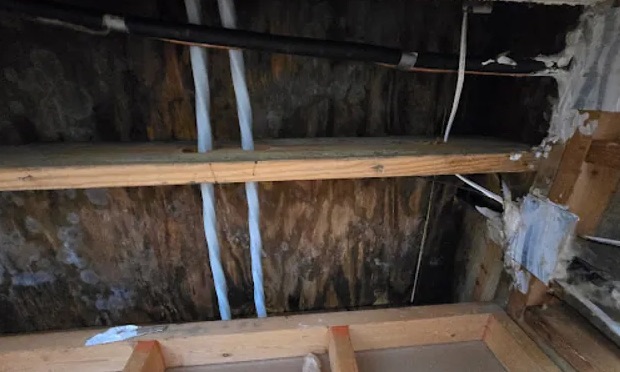
Professional Attic Water Damage Restoration in Chapel Hill, NC
Wet attic insulation is heavy and holds water against the ceiling drywall. In Chapel Hill homes, that weight and moisture can make a ceiling sag and eventually fall if the insulation is not removed.
In Chapel Hill, attic water damage often shows up as a ceiling stain after heavy rain. Local restoration specialists serve Chapel Hill, Carrboro, Durham and Hillsborough, finding the leak point and drying the wood, insulation and drywall.
Attic Water Damage Restoration Services in Chapel Hill
Attic Mold Prevention
Poor ventilation keeps attics damp. Blocked soffit vents or a disconnected bath fan duct are pointed out so moisture does not return.
Emergency Attic Water Extraction
Emergency extraction in an attic removes standing water from decking and drywall tops, and buckets or containment catch active drips.
Attic Moisture Inspection
Readings are recorded before and during drying, giving you and your insurer a clear record of the attic damage.
Wet Attic Insulation Removal
Insulation that stayed wet for days is removed rather than dried, since it rarely recovers and keeps the ceiling drywall damp.
Attic Leak Water Cleanup
After a leak, the attic is checked from the roof deck down to the ceiling below, and all standing water and soaked debris are taken out.
Signs of Attic Water Damage in Chapel Hill Homes
Water Stains on Ceiling
Brown rings or yellow spots on an upstairs ceiling usually mean water is sitting on the drywall from above.
Rust on Nails or Vents
Rusted nail tips, vent flanges or metal straps in the attic point to repeated moisture.
Dripping Sounds From Ceiling
Dripping or tapping sounds above the ceiling, especially during rain, mean water is getting in.
Active Leak During Rain
Water dripping into the attic during rain shows an active roof leak that needs fixing and drying.
How Attic Water Damage Restoration Works in Chapel Hill
Step 1: Initial Assessment and Water Removal
The pros find the source, check safety in the attic and remove standing water and wet debris.
Step 2: Wet Attic Insulation Removal
Soaked batts or blown-in insulation are bagged and removed so the wood and drywall can dry.
Step 3: Targeted Attic Drying Process
Drying equipment is aimed at the wet framing and ceiling, and moved as areas reach normal readings.
Step 4: Sanitization and Mold Prevention
Once dry, decking and rafters that stayed wet can be cleaned and treated with an antimicrobial.
Typical Sources of Attic Moisture Issues
Failing Roof Valley or Flashing
Worn flashing around valleys, chimneys and skylights lets water run into the attic.
Condensation From Poor Ventilation
Warm, moist air from the house condenses on cold roof decking when the attic is poorly vented.
Roof Leaks and Damaged Shingles
Missing, cracked or lifted shingles let rain reach the roof deck and drip into the attic.
Attic Appliance Leaks
AC air handlers in the attic overflow when the condensate line clogs or the pan cracks.
Both Residential & Commercial Attic Water Damage Restoration
Residential Attic Water Damage Restoration
Homeowners often store boxes and holiday items in the attic. Wet belongings are moved out and dried or discarded before work on the insulation and framing starts.
Commercial Attic Water Damage Restoration
Offices and stores with roof leaks need the area below protected during work. Drying is planned around business hours where possible to keep the space open.
When Attic Water Removal Requires Local Pros
Fixing the roof stops new water but does not dry what is already wet. After any roof repair, have the attic checked for damp insulation and wood.
What Influences Attic Water Damage Restoration Expenses?
The cost of attic water damage restoration in Chapel Hill depends on how much of the attic got wet, whether insulation and ceiling drywall must come out, and how long drying takes.
Affected Attic Materials
Wet insulation, decking and ceiling drywall that must be removed add labor and disposal costs.
Extent of Water Intrusion
A small leak at one spot costs less to dry than water spread across the attic and the rooms below.
Required Drying Time
Dense wood framing can take several days to dry, adding equipment time.
Does Insurance Cover Attic Water Damage Restoration?
Ceiling damage below an attic leak is usually handled as part of the same claim. Make sure the adjuster sees both the attic and the room below.
Benefits of Local Pros for Attic Water Damage Restoration in Chapel Hill
Ceiling Damage Mitigation
Sagging ceiling drywall is drained and removed safely before it can fall.
Detailed Documentation
Photos, readings and drying logs are kept to support your insurance claim.
Structural Drying Expertise
Drying equipment is placed for attic framing and decking, where moisture is hardest to remove.
24/7 Attic Water Damage Restoration Response for Chapel Hill
Water dripping from your ceiling in Chapel Hill? Put a bucket under it, move belongings and call (919) 525-3233. Help for attic leaks is available 24/7.
Call Now (919) 525-3233Attic Water Damage Restoration FAQs
Should I remove belongings from my attic after water damage?
Yes, if it is safe. Wet boxes and items should be moved out so they can dry and the attic can be worked on.
Why is an attic moisture inspection important after a leak?
Water spreads along rafters and insulation away from the drip point. Meters find all of it, so nothing is left wet.
How do I know the attic is completely dry?
Moisture readings on decking, rafters and the ceiling are compared to unaffected dry areas until they match.
Does a roof leak always cause attic mold growth?
No. Mold is more likely when wood and insulation stay wet for days, so drying is the main way to prevent it.
What happens during attic leak water cleanup?
Pooled water is removed, wet insulation is bagged and taken out, and the framing and decking are dried with air movers and dehumidifiers.