Chapel Hill, NC · Orange County
Structural Mold Removal in Chapel Hill, NCMold Contaminated Insulation Removal & Post-Remediation Structural Drying
In Chapel Hill, Structural Mold Removal covers mold contaminated insulation removal, mold damaged flooring removal, and emergency mold containment setup.
Answered 24/7
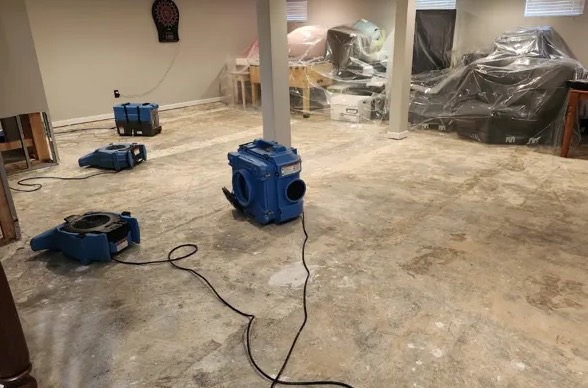
Local Structural Mold Removal for Chapel Hill Homes
In Chapel Hill, mold that has grown deep into walls or floors becomes a structural repair. Delaying action can escalate repair complexity and cost.
In Chapel Hill, the work includes removing moldy flooring and drying the structure. Nearby places like Carrboro, Durham and Hillsborough share similar restoration needs. Local water damage restoration experts use IICRC-standard methods for mold remediation and cleanup.
Structural Mold Removal Services for Chapel Hill
Mold Contaminated Insulation Removal
Once mold grows in insulation, it cannot be cleaned. The removal process involves establishing containment, extracting the material, and performing a final air scrub of the space to remove lingering particulate.
Post-Remediation Structural Drying
The pros use industrial air movers after mold removal. They bring wood and concrete moisture levels down to normal to prevent regrowth.
Structural Wood Mold Treatment
The pros assess penetration depth on load-bearing wood. They clean the wood and apply a mold-inhibiting sealant.
Emergency Mold Containment Setup
Containment comes first when mold growth is heavy. It involves sealing off doorways, vents, and other openings with plastic sheeting and establishing negative pressure within the work area for safety.
HVAC Duct Mold Cleaning
Dark, damp ductwork is a common place for mold. Cleaning uses tools that reach deep into the system and remove mold without blowing it into the living space.
When to Call for Structural Mold Removal in Chapel Hill
Musty Odors in Specific Rooms
A persistent earthy smell often signals hidden mold growth within walls, floors, or HVAC systems.
Allergy Symptoms Indoors
Sudden worsening of coughs, itchy eyes, or congestion at home can be a reaction to mold spores.
Peeling Paint or Wallpaper
Adhesive failure and paint blistering are common signs of moisture and mold behind the surface.
Insulation That Feels Damp
Wet or compacted attic or wall insulation stops insulating well and often hides mold growth.
How Structural Mold Removal Works in Chapel Hill
Step 1: Mold Inspection and Damage Assessment
The pros begin with a detailed inspection, using tools to map moisture and locate all mold damage within the structure.
Step 2: Emergency Mold Containment Setup
To prevent spore spread, pros establish containment with barriers and negative air machines, isolating the work area from the rest of the property.
Step 3: Structural Mold Removal and Treatment
Affected materials like drywall, insulation, and wood are removed or treated. This includes removing drywall and treating structural wood.
Step 4: Post-Remediation Structural Drying
Drying equipment removes the remaining moisture from the structure so mold does not return.
Common Causes of Mold Structural Damage
Chronic Plumbing Leaks
Slow drips inside walls or under floors provide constant moisture, leading to extensive structural mold damage over time.
Foundation Water Seepage
Groundwater or poor drainage can wet subfloors and support posts, causing mold in crawl spaces and basements.
Poor Bathroom Ventilation
Shower steam with no exhaust fan leads to moisture buildup on walls and ceilings, encouraging mold.
Appliance Overflow Incidents
Washing machine, dishwasher, or water heater failures can flood floors and walls, starting rapid mold growth.
Home and Business Structural Mold Removal Serving Chapel Hill
Residential Structural Mold Removal
Household mold damage restoration frequently starts in bathrooms, kitchens, and basements where moisture is common. The pros treat the subfloor and remove the mold at its source.
Commercial Structural Mold Removal
For schools or medical facilities, strict protocols govern mold remediation. Pros remove black mold and repair the structure to keep occupants safe and meet code.
Structural Mold Removal vs. DIY: When to Call Mold Remediation Pros
For a visible leak, like a pipe under a sink, you can turn off the water supply to stop it. For hidden leaks inside walls that have damaged framing, the pros should find the source and make the repair.
Pricing for Structural Mold Removal in Chapel Hill
Labor for drywall removal or subfloor treatment shapes the scope in Chapel Hill. The amount of material requiring treatment or replacement is another primary factor in the project's requirements.
Material Type
Costs differ between treating porous wood studs versus non-porous materials, as each requires specific mold removal and restoration approaches.
Containment Level
Establishing negative air pressure and sealing off work zones adds to the project scope and required equipment.
Access Challenges
Hard-to-reach areas like ducts or closed subfloors take more time and tools to clean.
Does Insurance Cover Structural Mold Removal?
There is no standard answer for insurance covering mold and mildew removal from structures. Review your policy for mold riders or specific exclusions. The pros supply the necessary damage assessment documentation. Your adjuster approves any structural repair after mold, so confirm with them.
Reasons to Select Local Pros for Structural Mold Removal
Structural Damage Focus
The work prioritizes assessing and addressing compromised load-bearing elements and building materials, not just surface mold cleanup.
Targeted Material Treatment
Each material gets its own procedure, such as structural wood versus ducts.
IICRC-Standard Remediation
Methods follow industry guidelines for safe mold abatement and structural repair, focusing on containment and proper removal.
Emergency Structural Mold Removal Available in Chapel Hill
Emergency mold and mildew removal from structural components cannot wait. For help with containment and assessment in Chapel Hill, call (919) 525-3233 anytime. The pros focus on halting further structural damage during the initial response.
Call Now (919) 525-3233Your Structural Mold Removal Questions Addressed
How is mold contaminated insulation removal performed?
Affected insulation is carefully bagged and removed, the cavity is cleaned and treated, and new insulation is installed only after the area passes mold inspection and is fully dry.
Can structural wood mold treatment save damaged beams?
If the damage is only on the surface, cleaning and antimicrobial treatment can often save the wood. Badly weakened load-bearing members may need to be reinforced or replaced by a contractor.
How long does mold structural damage restoration typically take?
The timeline depends on the scope, but a project can range from a few days for a localized issue to a week or more for extensive structural damage repair.
What does subfloor mold remediation entail?
It involves accessing the subfloor, assessing damage, removing moldy sections, treating adjacent joists, and installing new subfloor material after structural drying is confirmed.
What happens during post-remediation structural drying?
After mold removal and repairs, industrial dehumidifiers and air movers dry out new materials and adjacent structures to prevent residual moisture from causing new mold growth.