Chapel Hill, NC · Orange County
Residential Mold Remediation in Chapel Hill, NCMold Odor Elimination & Mold Inspection Services
Residential Mold Remediation in Chapel Hill covers basement mold cleanup, black mold remediation and crawl space mold abatement.
Answered 24/7
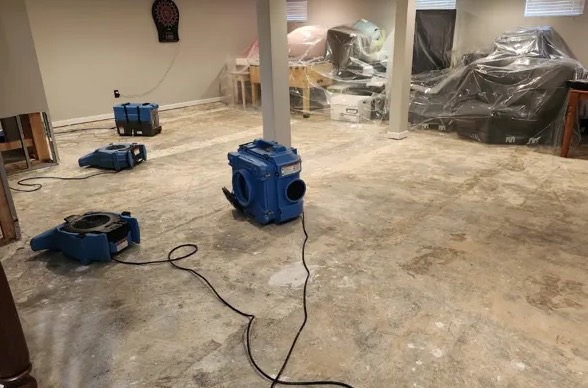
Mold Removal for Chapel Hill Homes and Businesses
Mold can cause allergy and breathing symptoms, especially for people with asthma. In Chapel Hill, visible mold or a musty smell means it is time to find the moisture source.
Mold problems in Chapel Hill homes range from a moldy bathroom ceiling to mold behind walls after a flood. Local mold remediation specialists handle both, along with properties in Carrboro, Durham and Hillsborough.
Residential Mold Remediation in Chapel Hill
Mold Odor Elimination
If a musty smell lingers after cleanup, the pros look for remaining moisture or mold in walls, carpet or ducts rather than masking it.
Mold Inspection Services
An inspection looks for visible mold, musty odors and the moisture behind them. Moisture meters and thermal cameras help find wet areas inside walls and under floors.
Attic Mold Removal
Leaky roofs and bathroom fans that vent into the attic are common causes. The pros remove the mold from framing and sheathing once the moisture source is fixed.
Black Mold Remediation
The color of mold does not change the method. The pros contain the area with plastic sheeting, remove what cannot be cleaned and fix the moisture that let it grow.
Air Duct Mold Cleaning
A musty smell when the air turns on can point to mold in ducts or the air handler. The pros inspect, clean the affected sections and check the drain pan and coil area.
When to Call for Mold Inspection in Chapel Hill
Condensation on Windows
Heavy condensation that runs down windows and wets the sills can lead to mold on frames, sills and nearby walls.
Past Water Damage That Was Not Dried
A leak or flood that was mopped up but not dried with equipment can leave moisture in walls and floors, where mold grows later.
Musty Smell That Will Not Go Away
A damp, earthy smell often means mold is growing somewhere out of sight, such as inside a wall, under flooring or in ductwork.
Allergy Symptoms Indoors
Sneezing, coughing or itchy eyes that ease when you leave the house can be a sign of mold. A doctor can tell you more.
How Residential Mold Remediation Works in Chapel Hill
Step 1: Mold Inspection and Moisture Check
The pros look for visible mold and use moisture meters to find wet areas, including inside walls and under floors.
Step 2: Containment of the Moldy Area
Plastic sheeting and negative air machines keep spores inside the work area while mold is removed.
Step 3: Removal of Damaged Materials
Moldy drywall, insulation and carpet are bagged and removed. Framing behind them is exposed for cleaning.
Step 4: Cleaning and HEPA Vacuuming
Framing and hard surfaces are cleaned and HEPA vacuumed to remove mold and settled spores.
Step 5: Drying and Final Check
The area is dried with dehumidifiers until moisture readings are normal, then checked before rebuilding.
What Leads to Mold Damage in Chapel Hill
Slow Plumbing Leaks
Drips under sinks, behind toilets and inside walls can go unnoticed for months, keeping wood and drywall wet enough for mold to grow.
Poor Bathroom Ventilation
Without a working exhaust fan, shower steam settles on ceilings and walls. Over time, mold grows on paint, grout and caulk.
Overflowing Gutters
Gutters that overflow dump water next to the foundation, where it can seep into crawl spaces and lower walls.
Roof Leaks
Rain getting through damaged shingles or flashing wets attic insulation and sheathing, and mold often follows on the roof deck and framing.
Residential and Commercial Mold Remediation in Chapel Hill
Residential Mold Remediation
For rental homes and condos, the pros document the mold and the moisture source, which helps owners, tenants and insurers sort out the repair.
Commercial Mold Remediation
Property managers with several affected units get each one inspected and cleaned, with records kept for each unit.
DIY Mold Removal Risks in Chapel Hill
Running a dehumidifier in a damp basement and keeping gutters clear are good DIY steps. Mold already on basement walls or framing should be removed by local mold remediation specialists.
Understanding Residential Mold Remediation Pricing in Chapel Hill
Basement and crawl space mold costs depend on how much framing is affected and whether damp conditions need to be fixed first.
Rebuilding After Removal
Replacing drywall, insulation and flooring after mold removal is often priced separately from the remediation itself.
Size of the Moldy Area
A small patch in one room takes far less time, containment and disposal than mold spread across several rooms or a whole attic.
Materials Affected
Drywall, insulation and carpet with mold are removed and replaced, while framing and hard surfaces can usually be cleaned.
Does Insurance Cover Residential Mold Remediation?
Photos, moisture readings and a written scope from the specialists help support a claim when mold follows a covered water loss. Keep copies of everything you send.
Why Choose Local Specialists for Residential Mold Remediation in Chapel Hill
HEPA Filtration
Air scrubbers and HEPA vacuums capture spores and dust during removal, which household vacuums cannot do.
Honest Advice on Small Jobs
If the mold is small and on a hard surface, the pros can tell you when it is safe to clean it yourself.
Available Any Time
Mold after a leak or flood can be reported at any hour. The specialists can be reached day or night at (919) 525-3233.
24/7 Mold Cleanup After Water Damage in Chapel Hill
Musty smell or spreading mold in Chapel Hill? Avoid disturbing it and call (919) 525-3233 day or night for an inspection and removal.
Call Now (919) 525-3233Your Mold Cleanup Questions Answered
Can mold grow in air ducts?
Yes, especially near the air handler where condensation collects. A musty smell when the air turns on is a common sign.
What do mold remediation services include?
An inspection, containment of the affected area, removal of moldy materials, cleaning and HEPA vacuuming, and drying until moisture readings are normal.
Can I remove mold myself?
Small patches on hard surfaces can be cleaned with soap and water. Larger areas, mold inside walls or mold after a flood should be handled by pros.
What causes a musty smell in the house?
Usually mold or damp materials somewhere out of sight, such as inside walls, under carpet, in the crawl space or in ducts.
What happens to moldy drywall?
Drywall with mold is cut out, bagged and removed. The framing behind it is cleaned and dried before new drywall goes up.