Chapel Hill, NC · Orange County
Heating System Mold Cleanup in Chapel Hill, NCVent Register Mold Cleaning & Ductwork Mold Sealing
Heating System Mold Cleanup for Chapel Hill addresses ductwork sealing, post-remediation air testing, HVAC mold inspection, and furnace mold cleanup.
Answered 24/7
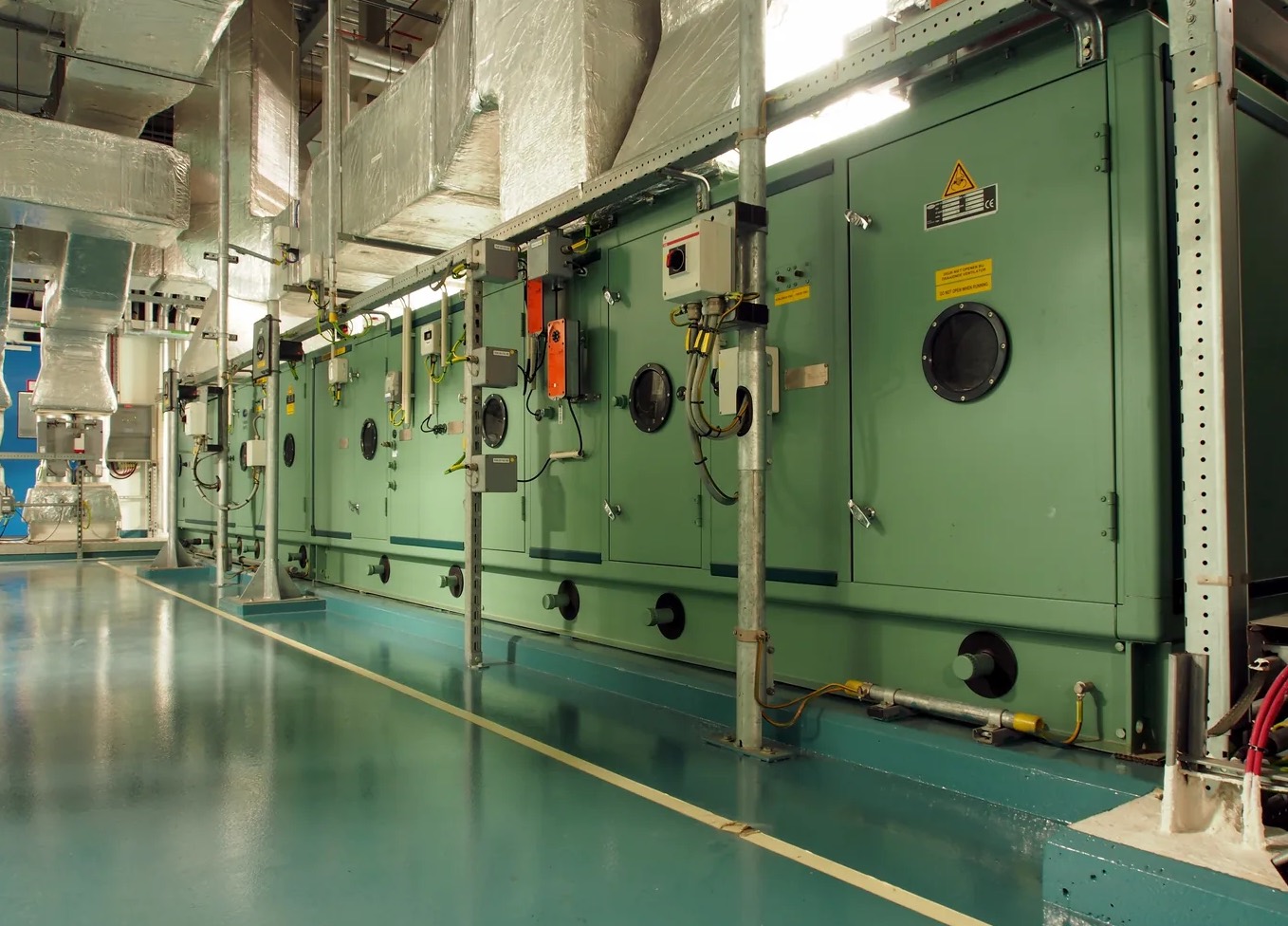
Local Heating System Mold Cleanup for Chapel Hill Residents
Forced air systems in Chapel Hill can actively circulate mold spores from contaminated heating vents into occupied rooms. This circulation makes heating unit sanitization a necessary step for maintaining safe indoor air conditions.
Heating unit mold cleanup is available in Chapel Hill and nearby areas like Carrboro, Durham and Hillsborough. Mold in HVAC systems spreads quickly through the ducts and into indoor air. Local HVAC restoration experts tailor the work to each home.
Complete Heating System Mold Cleanup Solutions in Chapel Hill
Vent Register Mold Cleaning
Cleaning supply and return vents addresses air entry points. The experts scrub and disinfect register faces. It is a visible component of heating system mold cleanup.
Ductwork Mold Sealing
The experts apply professional-grade sealants to all duct joints and connections. This creates a more controlled system, enhancing the long-term success of heating unit mold cleanup.
HVAC Mold Inspection
The inspection assesses contamination in supply and return ducts. The experts document findings for records. Cleanup depends on this step.
Air Handler Mold Sanitization
Air handler sanitization treats the interior cabinet after mold removal. The experts apply disinfectants to surfaces. This final step solidifies heating system mold cleanup results.
Evaporator Coil Mold Removal
Evaporator coil mold removal addresses mold on AC coils. The experts apply cleaners and antimicrobial sprays. This is common in heating system mold cleanup for systems with central air.
How to Tell If You Need Heating System Mold Cleanup in Chapel Hill
Humid or Stuffy Indoor Air
Consistently humid air indoors suggests poor HVAC performance, potentially from mold clogging the evaporator coil or air handler.
Visible Mold on Registers
Dark spots or fuzzy mold around air vents or registers are a clear sign of mold in the heating system.
Increased Allergy Symptoms
Worsening allergies or respiratory irritation at home often points to mold spores circulating from the HVAC system.
Health Issues When Home
Headaches or congestion that improve when leaving the house may be linked to mold in the home's heating vents.
How Heating System Mold Cleanup Works in Chapel Hill
Step 1: HVAC Mold Inspection and Assessment
The experts begin with a thorough visual and camera inspection of the entire heating system, air ducts, and furnace to map mold contamination.
Step 2: Air Duct Mold Remediation and Cleaning
Using specialized agitation tools and HEPA vacuuming, they remove mold and debris from all ductwork, focusing on heating vents and registers.
Step 3: Furnace and Coil Mold Removal
The furnace cabinet, heat exchanger and evaporator coil are cleaned and sanitized to remove mold at the source.
Step 4: Post-Remediation Air Testing and Verification
Air testing after cleaning confirms that spore counts in the home have dropped to normal levels.
Why Mold Develops in Heating and Cooling Systems
Basement or Crawl Space Moisture
Damp conditions under the home introduce moisture into ductwork running through those spaces, causing ductwork mold growth.
High Indoor Humidity Levels
Excess moisture in the air condenses on cool HVAC components like evaporator coils, creating a mold breeding ground.
Dirty or Missing Air Filters
Clogged filters reduce airflow and cause evaporator coils to freeze and thaw, creating wet conditions ideal for mold.
Improper Furnace Maintenance
Neglected furnace cleaning allows dust and organic debris to accumulate, which mold uses as a food source when damp.
Both Residential & Commercial Heating System Mold Cleanup in Chapel Hill
Residential Heating System Mold Cleanup
The experts address mold in residential heating systems, which can circulate spores into every room. They inspect the HVAC system and clean ducts and furnaces to protect household air.
Commercial Heating System Mold Cleanup
For businesses, the experts perform heating unit mold cleanup to maintain healthy air for employees and customers. Commercial services include extensive air handler sanitization, vent and register cleaning, and post-remediation air testing for verification.
Heating System Mold Cleanup vs. DIY: When to Call HVAC Restoration Experts
Replace HVAC filters regularly and keep vents clear. For visible mold on exterior vent covers, a damp cloth with mild detergent can be used cautiously. However, any suspicion of mold inside the ductwork or furnace requires calling the experts for heating system mold cleanup to prevent spore dispersal.
Estimating Heating System Mold Cleanup Expenses in Chapel Hill
Local pricing accounts for the specific type of HVAC unit involved, as a furnace, boiler, or air handler cleanup may involve distinct disassembly procedures, cleaning agents, and labor timeframes.
Disposal Requirements
The cost for safe disposal of contaminated materials, like insulation or filters, is factored into the final service price.
Extent of Contamination
The square footage of mold growth within the air ducts and heating unit directly influences the scope and duration of work.
Time of Service
Emergency heating unit mold cleanup requests outside standard business hours may involve different service rate structures.
Does Insurance Cover Heating System Mold Cleanup?
Homeowners insurance policies may cover heating unit mold cleanup if the contamination stems directly from a covered sudden event, such as a burst pipe within the heating system. Coverage decisions belong solely to the insurer. Documentation of the damage with photos and moisture readings is typically prepared for the homeowner's claim file.
Benefits of Local Experts for Heating System Mold Cleanup
Comprehensive System Approach
The process addresses the entire air pathway, from furnace mold cleaning to vent and register cleaning, for a complete solution.
Post-Remediation Verification
Optional air testing gives you data showing that spore levels have dropped.
24/7 Emergency Response
Help is available 24/7 for heating system mold that is spreading odors or spores through the home.
24/7 Emergency Heating System Mold Cleanup for Chapel Hill
If mold in the HVAC system is affecting indoor air, ask for emergency service. Call (919) 525-3233 to arrange an assessment.
Call Now (919) 525-3233Heating System Mold Cleanup FAQs
Can I perform heating system mold removal myself?
DIY cleaning often misses hidden mold and can spread spores through the home without containment.
How often should air duct mold cleanup be performed?
There's no set schedule; it's performed reactively when mold is detected, but maintaining low humidity helps prevent conditions for mold.
What are the signs I need HVAC mold remediation?
Musty odors from vents, visible mold on registers or inside the air handler, and increased allergy symptoms when the system runs can indicate a problem.
Can mold return after heating unit sanitization?
If the underlying moisture source isn't fixed, regrowth is possible; the cleanup addresses the existing mold, but moisture control is key for long-term results.
Does furnace mold cleaning require system replacement?
Not usually; professional cleaning of internal components often resolves the issue, though severe, long-term damage could necessitate part or full replacement.