Chapel Hill, NC · Orange County
Smoke Damage Cleanup in Chapel Hill, NCWall Ceiling Soot Cleaning & HVAC Duct Smoke Cleaning
Smoke Damage Cleanup for Chapel Hill includes smoke odor removal, soot residue cleanup, and emergency smoke damage mitigation.
Answered 24/7
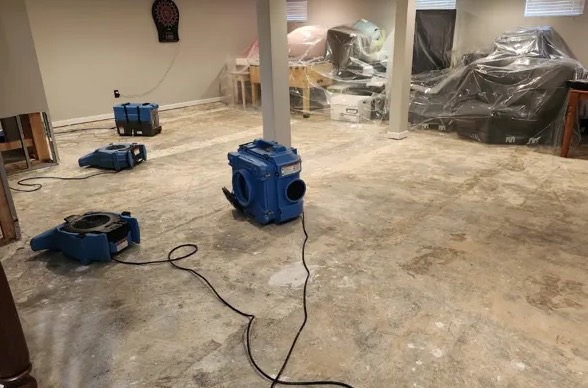
Your Local Solution for Smoke Damage Cleanup in Chapel Hill
After a fire, properties in Chapel Hill require immediate attention to smoke damage to prevent soot from causing acidic etching on surfaces and fabrics. Delay can result in permanent staining and intensified smoke odors.
Across Chapel Hill and nearby areas like Carrboro, Durham and Hillsborough, professional soot cleanup after a fire prevents permanent damage. Local soot cleanup specialists employ IICRC-standard methods for soot residue removal and smoke odor removal to eliminate all smoke traces.
Smoke Damage Cleanup Services in Chapel Hill
Wall Ceiling Soot Cleaning
Cleaning soot from walls and ceilings is a labor-intensive process. Ladder systems and lighting ensure complete coverage on high ceilings.
HVAC Duct Smoke Cleaning
The HVAC duct smoke cleaning process involves sealing and cleaning one section at a time to prevent cross-contamination. HEPA-filtered vacuum systems capture debris.
Fire Damage Surface Restoration
Surface restoration addresses permanent effects like yellowed varnish on wood or blistered paint. Industry-standard methods involve stripping, sanding, and refinishing damaged items.
Soot Residue Cleanup
Effective soot residue cleanup first identifies the soot type, from protein fires or synthetics. The experts in Chapel Hill adjust cleaning protocols accordingly. They clean all affected surfaces, including hidden areas, to ensure no corrosive residue remains.
Surface Cleaning After Fire Damage
The priority after a fire is emergency smoke damage mitigation. The experts work to begin soot removal and air scrubbing. This service stabilizes the environment to prevent further degradation.
Warning Signs You Need Smoke Damage Cleanup in Chapel Hill
Irritated Eyes or Respiratory Issues
Ongoing irritation for occupants can signal poor air quality, necessitating post-fire cleaning and air quality restoration.
Water Stains From Firefighting Efforts
These secondary issues combine with smoke, creating a complex situation for comprehensive smoke damage repair.
Visible Soot on Walls and Ceilings
Black or grey dust-like deposits on surfaces are a clear sign you need soot cleaning services.
Metallic Odors or Chemical Smells
These complex odors from burnt plastics or materials require advanced odor elimination techniques beyond simple cleaning.
How Smoke Damage Cleanup Works in Chapel Hill
Step 1: Secure Site and Safety Check
The first action is to ensure the property is safe for entry and work. The specialists in Chapel Hill may set up containment to isolate affected zones.
Step 2: Dry Soot Removal and Cleaning
The primary phase of soot residue removal begins, using dry cleaning methods to avoid setting stains. This addresses the bulk of visible fire damage cleanup.
Step 3: Deep Cleaning and Sanitizing
All surfaces undergo deep cleaning with appropriate agents. This step includes detailed wall and ceiling soot cleaning to remove ingrained particulate matter.
Step 4: Air Scrubbing and Final Inspection
High-efficiency air scrubbers run continuously to clean the air. A final inspection confirms the success of the smoke damage cleanup and odor elimination.
Common Causes of Smoke Damage in Chapel Hill
Wildfire Smoke Infiltration
External smoke from regional fires can enter a home, depositing fine particulates that call for emergency smoke cleanup procedures.
Burning of Plastics or Synthetics
These materials release harsh chemicals and sticky, acidic residues that complicate standard fire damage cleanup efforts.
Improper Use of a Fireplace
Closing a damper too soon or burning wet wood fills a room with smoke, creating a need for post-fire cleaning.
Smoke From a Neighboring Property
A fire next door can cause significant smoke intrusion, leading to widespread soot residue cleanup needs in your home.
Chapel Hill Property Types Served by Smoke Damage Cleanup
Residential Smoke Damage Cleanup
Residential fire damage cleanup after smoke intrusion focuses on eliminating the persistent smell from carpets, drapes, and upholstery that families encounter daily. The experts use advanced deodorization to tackle these embedded odors.
Commercial Smoke Damage Cleanup
For retail or restaurant spaces, smoke damage mitigation is urgent to remove odors and residues that could deter customers. The specialists address visible damage on walls, ceilings, and equipment to maintain brand image and safety.
The Risks of DIY Smoke Damage Cleanup for Chapel Hill Homeowners
A homeowner can cover clean furniture with plastic sheeting to shield it from soot fallout. Changing the HVAC filter prevents soot circulation. The system should not run if ducts are contaminated, as duct cleaning is a task for specialists.
What Affects Smoke Damage Cleanup Cost in Chapel Hill Properties
The pros evaluate variables for a cost assessment, including the scope of emergency mitigation performed. The duration and methods for complete odor and soot cleanup inform the project's outline.
Content Cleaning Scope
The volume and type of personal belongings needing specialized content cleaning for smoke damage affect project timelines and resource allocation.
Emergency Mitigation Services
If emergency smoke damage mitigation was performed, those initial stabilization and boarding-up services are part of the complete cost calculation.
HVAC System Contamination
The degree of smoke infiltration into the HVAC system, requiring dedicated duct cleaning, adds a specialized service line to the estimate.
Does Insurance Cover Smoke Damage Cleanup?
Coverage for smoke damage cleanup depends on a homeowner's specific policy and the fire's cause. Documentation of all damage with photos and notes is compiled for the property owner's claim. Homeowners should confirm coverage with their insurer.
The Value of Local Soot Cleanup Specialists for Smoke Damage Cleanup in Chapel Hill
Surface-Specific Soot Removal Techniques
Wall and ceiling soot cleaning employs techniques appropriate for each surface material, from dry sponging to chemical cleaning.
Detailed Content Cleaning Process
A systematic approach is used for content cleaning for smoke damage, assessing and cleaning salvageable items individually.
Documentation for Insurance
Detailed documentation of all smoke damage and restoration steps is prepared to support your insurance claim process.
Immediate Smoke Damage Cleanup Assistance in Chapel Hill, NC
Time is a factor in successful smoke odor removal and content salvage. For prompt emergency smoke damage repair and stabilization services available 24/7, contact the response line at (919) 525-3233 without delay.
Call Now (919) 525-3233Common Smoke Damage Cleanup Questions Answered for Chapel Hill
Is air quality testing after a fire really necessary?
Yes, air quality testing after fire is necessary to verify that harmful particulates and gases have been removed, ensuring the indoor environment is safe for occupancy post-restoration.
Can I clean smoke damage myself, or should I hire pros?
While minor surface soot can be wiped, professional smoke damage cleanup is recommended for thorough odor elimination, air quality safety, and to avoid setting stains or spreading contamination.
How does fire damage surface restoration differ from cleaning?
Fire damage surface restoration goes beyond cleaning to repair or refinish surfaces damaged by heat, smoke, or cleaning processes, aiming to return them to a pre-loss condition.
Why is smoke odor so difficult to remove from a home?
Smoke odor is difficult because microscopic particles penetrate deep into porous materials like drywall, insulation, and upholstery, requiring advanced deodorization methods beyond surface cleaning to fully eliminate.
How can I tell if smoke odor has been completely eliminated?
Complete smoke odor elimination is typically verified through sensory testing by professionals and confirmed with air quality testing equipment that measures particulate levels and the absence of volatile compounds.