Chapel Hill, NC · Orange County
Contaminated Water Cleanup in Chapel Hill, NCBlack Water Extraction & Emergency Water Mitigation
Contaminated Water Cleanup in Chapel Hill runs from emergency water mitigation and sewage backup water removal to contaminated carpet removal.
Answered 24/7
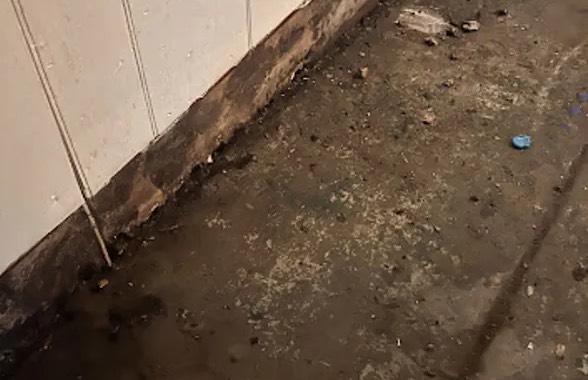
Local Contaminated Water Cleanup Services in Chapel Hill, North Carolina
Contaminated Water Cleanup in Chapel Hill ends when the area is clean, disinfected and dry. Readings confirm the structure is dry, and the space is ready for new drywall and flooring.
A sewer backup in Chapel Hill can contaminate a whole floor quickly. Local water damage pros serve Chapel Hill and nearby Carrboro, Durham and Hillsborough, with help available around the clock.
Comprehensive Contaminated Water Cleanup Offerings in Orange County
Black Water Extraction
Black water, such as sewage or outside floodwater, is extracted with protective gear, and everything it touched is cleaned or removed.
Emergency Water Mitigation
Fast mitigation keeps contamination from spreading into clean rooms, ductwork and the floor below.
Flooded Basement Cleanup
Below-grade spaces dry slowly, so dehumidifiers run until the slab and walls test dry after cleaning.
Toxic Spill Water Removal
Surfaces touched by chemical-laden water are cleaned with products suited to the contaminant before drying.
Sewage Backup Water Removal
Sewage from a backed-up toilet, floor drain or tub is extracted with protective gear, and the affected area is sealed off from clean rooms.
Signs of Contaminated Water Damage in Chapel Hill
Chemical Spill on Property
Water mixed with a spilled chemical, fuel or oil needs careful handling and possibly a hazardous materials contractor.
Gray Water From Appliance Leaks
Water from a washer or dishwasher drain is gray water and needs cleaning, not just drying.
Sewage Backup in Home
Sewage coming up through toilets, tubs or floor drains is black water and needs protective cleanup right away.
Black Water After Heavy Rains
Water that flowed in from outside after heavy rain carries soil and contaminants and is treated as black water.
How Contaminated Water Cleanup Works in Chapel Hill
Step 1: Emergency Assessment and Containment
Water use is stopped, power is made safe and the area is sealed off with plastic sheeting.
Step 2: Contaminated Water Extraction
Workers in protective gear extract the water and remove solids and debris.
Step 3: Deep Cleaning and Disinfection
Porous materials such as carpet and drywall are removed, and hard surfaces are scrubbed and disinfected.
Step 4: Drying and Moisture Control
Air movers, dehumidifiers and air scrubbers dry the structure, with readings taken daily.
Sources of Water Damage Requiring Contaminated Water Cleanup in Chapel Hill
Sump Pump Overwhelm or Failure
A sump pump that fails or is overwhelmed lets dirty groundwater rise into the basement.
Industrial or Chemical Spills
Spills of fuel, oil or chemicals can mix with water and spread across floors and soil.
Gray Water Source Overflow
Overflowing laundry tubs and sinks send gray water across floors and into nearby rooms.
Severe Sewer Line Blockages
Tree roots, grease and debris block sewer lines and push wastewater back into the home.
Both Residential & Commercial Contaminated Water Cleanup in Chapel Hill
Residential Contaminated Water Cleanup
Families with young children, older adults or anyone with health concerns should stay out of contaminated areas until cleanup and disinfection are done.
Commercial Contaminated Water Cleanup
Restaurants and food businesses need contaminated areas cleaned and disinfected to meet health rules before food prep resumes.
Professional Contaminated Water Cleanup Over DIY in Chapel Hill, NC
You can stop using water in the house, keep people and pets away and take photos. Removing contaminated materials and disinfecting the area needs protective gear and the right products.
Estimating Contaminated Water Cleanup Expenses in Orange County
Sewer line or septic repairs are separate from cleanup. In Chapel Hill, both are usually needed to prevent another backup.
Contamination Category
Black water costs more to clean up than gray water, since more materials are removed and disinfected.
Sanitization Procedures
Disinfecting every affected surface, from floors to lower walls, takes time and specialized products.
Access Complexity
Crawl spaces, basements and tight areas take longer to reach and clean safely.
Does Insurance Cover Contaminated Water Cleanup?
Photos, removal lists, moisture readings and drying logs from local water damage pros help support a contaminated water damage claim in Chapel Hill.
Why Choose Local Pros for Contaminated Water Cleanup in Chapel Hill
Containment and Sanitization
The area is sealed off and cleaned so contamination stays out of clean rooms.
Structural Drying Expertise
Walls, subfloors and framing are dried after cleaning, not just the visible surfaces.
Odor Control
Removing contaminated materials and disinfecting surfaces deals with odors at their source.
Round-the-Clock Emergency Contaminated Water Cleanup in Orange County
The sooner contaminated water is removed, the less has to be thrown away. Call (919) 525-3233 for contaminated water cleanup in Chapel Hill right away.
Call Now (919) 525-3233Contaminated Water Cleanup in Chapel Hill: Your Questions
How quickly should black water removal begin?
Right away. Black water spreads bacteria and odor into materials the longer it sits, increasing what must be removed.
Why is immediate action critical for contaminated water?
Contamination spreads into more materials and rooms over time, raising the cost and the health risk.
When is sewage water cleanup required?
Whenever water carries sewage or other waste, including toilet overflows with waste and sewer backups.
What is the difference between water extraction and restoration?
Extraction removes the water. Restoration includes cleaning, disinfection, drying and preparing the area for repairs.
What equipment is used for contaminated water removal?
Pumps and extractors, protective gear, disinfectants and air scrubbers, plus dehumidifiers, air movers and moisture meters for drying.